
Ahead of Gamescom 2026, we spoke with Renata Nalysnyk, Head of PR at AB Games, about the studio’s evolving strategy, its move into casual and hybrid casual games, and the launch of ABrush – an AI-powered creative platform born from AB Games’ own production pipeline.
Renata shares what the team is bringing to Gamescom, the partnerships they are looking for, how AI is changing art production, and what helps Ukrainian game development teams stay competitive globally.
What project or projects are you presenting at Gamescom 2026?
We’re AB Games, a game studio with Ukrainian roots and one of the world’s Top 5 HOPA developers.
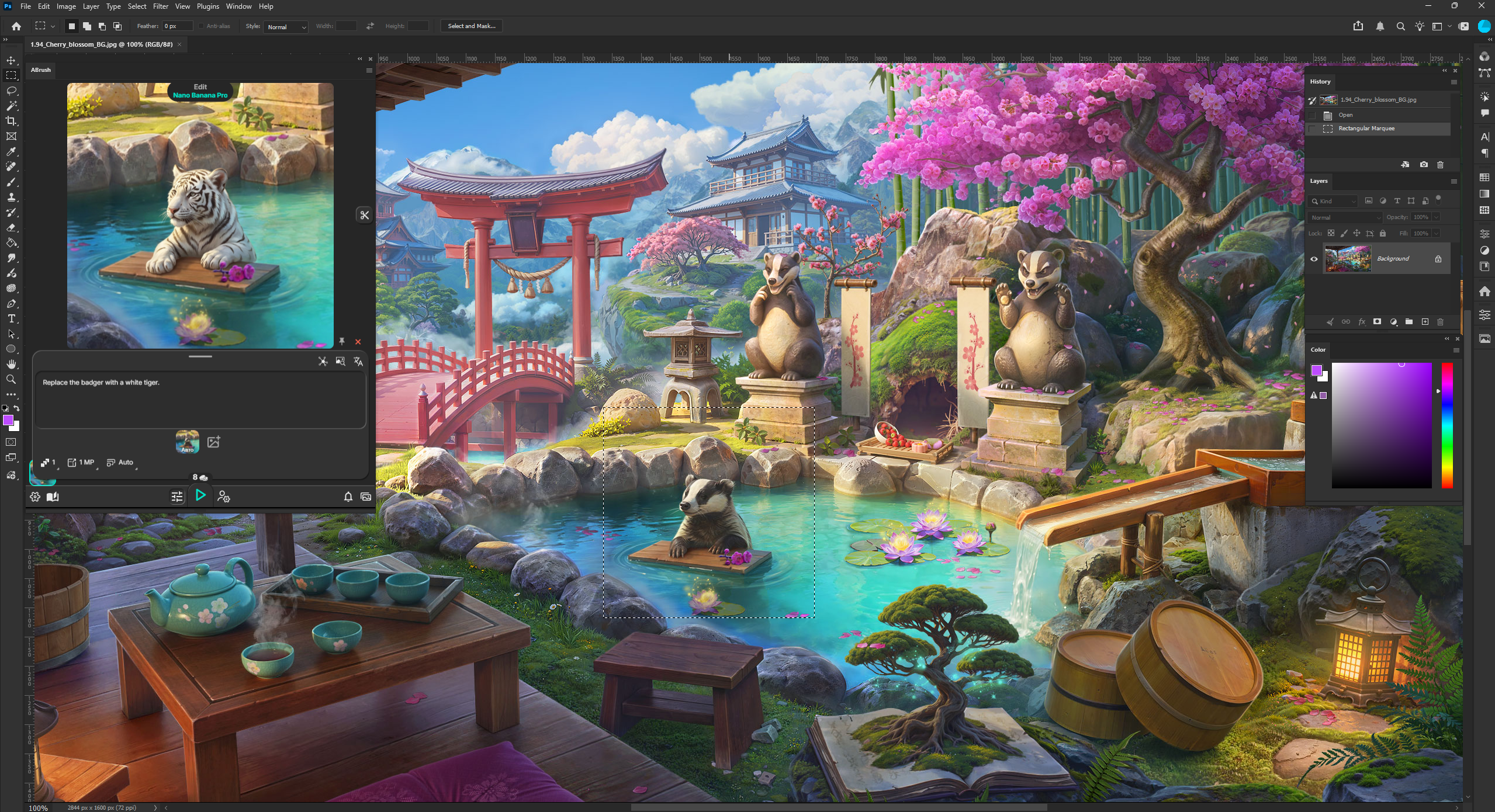
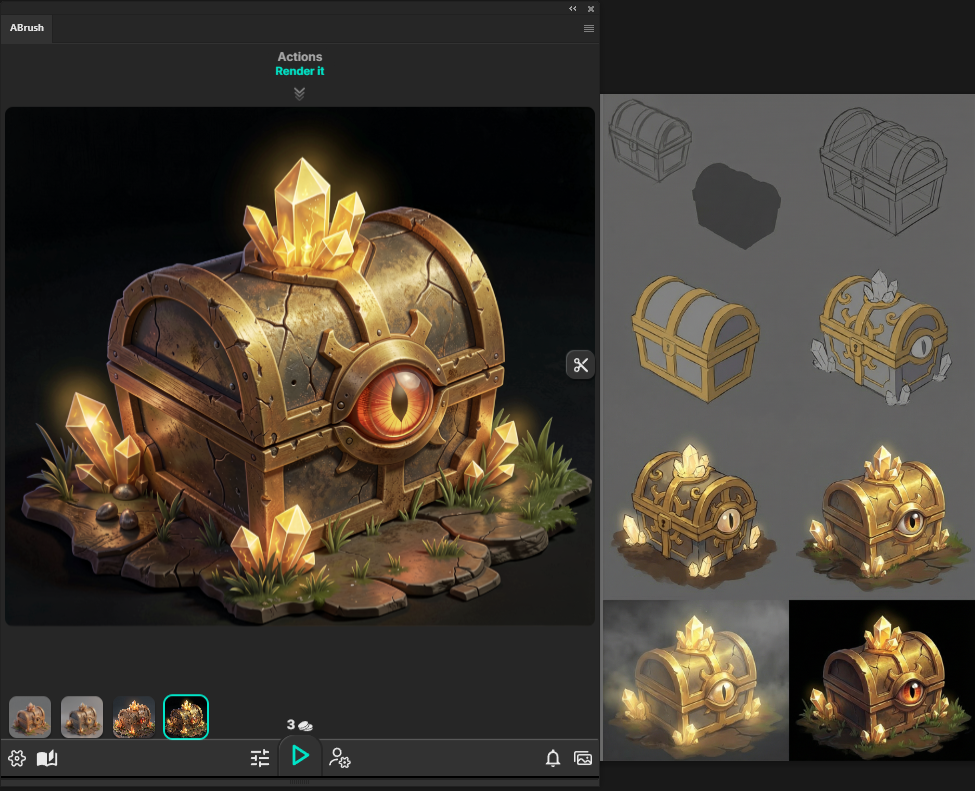
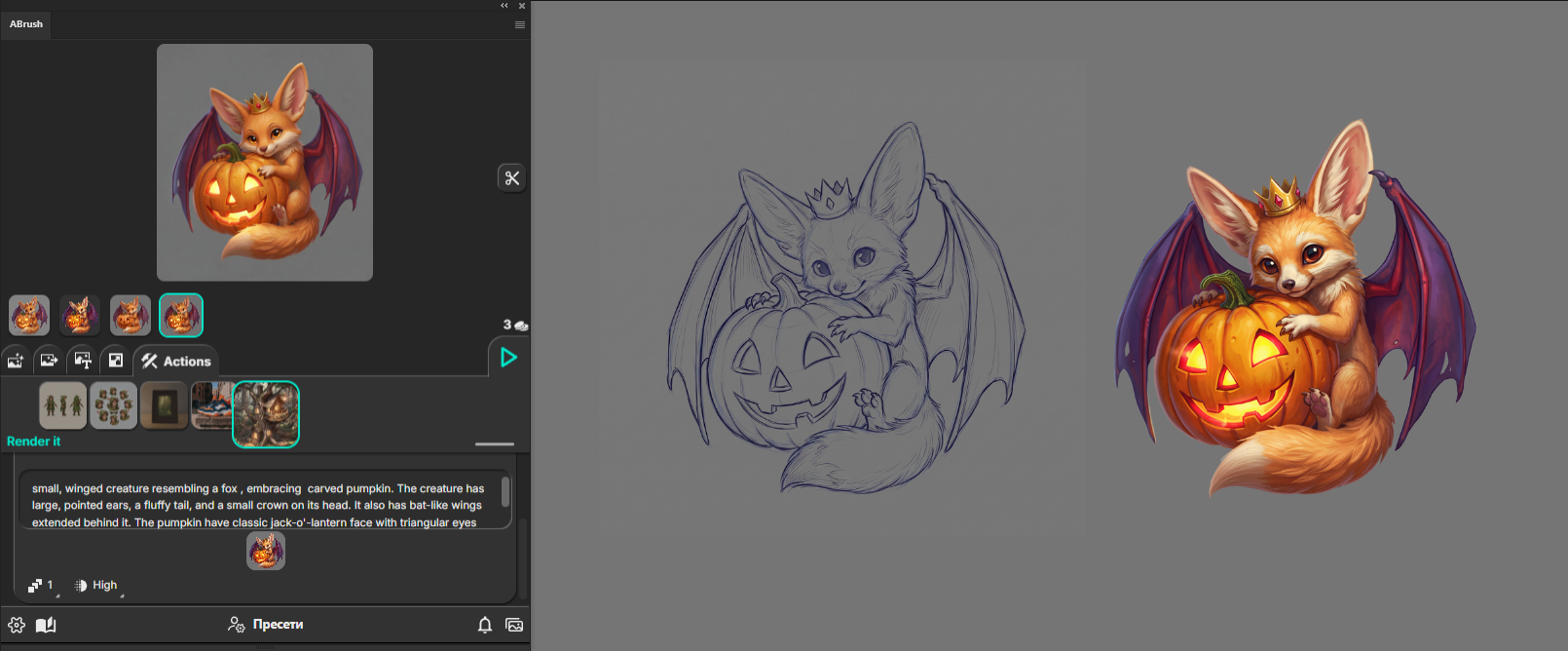
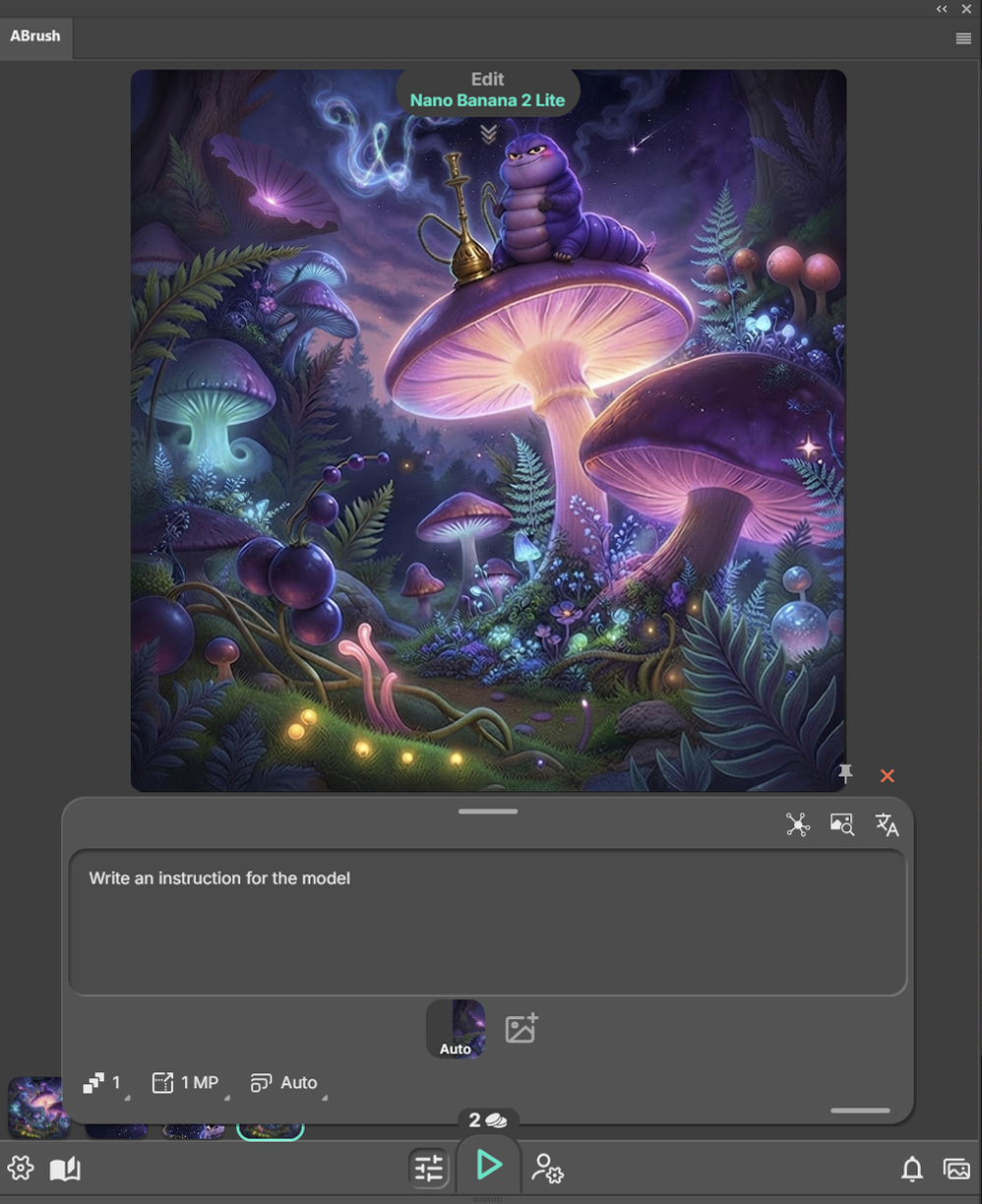
This year, we’re showcasing our spin-out – ABrush – an AI creative platform for digital artists, directly inside Photoshop. Currently in open beta, ABrush helps individual artists and small to mid-sized studios create art faster, better and at a lower cost, while giving artists more time to focus on creativity.
Alongside ABrush, we’re also developing new titles in the casual and hybrid casual space, as part of our broader strategic shift beyond our flagship game, Hidden City.
What expertise does your team currently offer to international partners?
ABrush comes out of a real production need: years of building and refining an AI-assisted art pipeline for our own flagship game. We know firsthand what it takes to produce high volumes of quality art under real deadlines – and we built ABrush to solve exactly that problem, for ourselves first.
At Gamescom, our goal is to connect with artists, art outsourcing studios, and small-to-mid-sized game studios who want to produce more art, faster, without losing quality or creative control.
What types of partnerships are you planning to develop during Gamescom 2026?
We’re looking for partnerships with art studios and outsourcing companies interested in integrating ABrush into their pipelines, freelance artists who want to join the open beta, and studios or publishers interested in exploring how AI can responsibly support creative teams rather than replace them.
How has your company or projects changed over the past year?
The biggest shift: three years of internal R&D into AI-assisted art production matured into ABrush, which we now offer to other studios and artists – turning a tool we built to solve our own problem into a product for the wider industry.
At the same time, AB Games has broadened its focus. Our flagship game, Hidden City, continues to be actively developed and supported – and alongside it, we’re now also building new titles in the casual and hybrid casual space. As founder Anton Bolshakov put it: “Globally, there are two big trends visible in the charts and successful projects. First, players increasingly want simple, ‘sticky’ mechanics with short play sessions. Second, the cost of acquiring new players has grown significantly.” That shift in the market is why we’ve expanded into new genres, while continuing to invest in what already works.
New producers and teams have joined, and several new casual/hybrid casual titles are currently in active development and testing.
How do you maintain players’ interest in your projects over the long term?
Long-term engagement has always come from craftsmanship – high-quality art and worlds players genuinely want to return to. What’s changing is how we get there: AI-assisted production lets us iterate on content, art, and mechanics faster, so we can respond to what keeps players engaged instead of guessing months in advance. That’s the same principle behind Hidden City and the new casual titles we’re building today – good instincts, backed by faster iteration.
What role do analytics and audience behavior play in your creative decisions?
For ABrush, usage data from the open beta directly shapes our product roadmap – which features artists actually reach for, where they get stuck, what saves them the most time.
On the game side, player behavior data shapes how we prioritize features and tune retention across our projects. But analytics informs creative decisions; it doesn’t replace them. The final call on what makes something feel right still comes from people who understand why players or artists actually enjoy using a product.
How are players’ expectations of casual and narrative-driven games changing?
As Anton Bolshakov put it: “Players increasingly want to play simple, ‘sticky’ mechanics with short play sessions.” Combined with sharply rising user acquisition costs, this is reshaping which genres are worth building in – which is exactly why AB Games has expanded into casual and hybrid casual titles, alongside our ongoing work on Hidden City.
Which technologies or processes currently have the greatest impact on your work?
AI, without question – and ABrush is the clearest expression of that. It started as an internal experiment to speed up our own art production, and three years later it’s a production-grade AI co-pilot that speeds up art creation by 70% depending on the task, while creative decisions always stay with the artist.
As Anton Bolshakov describes the company’s broader approach: “AI transformation is underway. We’ve already done a lot in graphics using AI. The market moves fast, and you need to spot trends and prototype quickly – AI lets us speed up that process.”
What helps Ukrainian teams remain competitive globally?
Resilience paired with real expertise. Our team pushed through seven years without profit on our flagship game before it broke through – years when people regularly suggested it was time to give up. Anton Bolshakov describes the mindset that got the team through: “It’s a law of nature – you receive if you’re willing to give. You don’t get anything if you give up after one try.”
That same resilience carried the team through the pandemic and full-scale war – relocations, rebuilding processes, and continuing to ship. It’s also what let us spend three years building ABrush before bringing it to market, rather than rushing an unfinished tool out the door.
Which case study best demonstrates your team’s capabilities?
Two, actually – because they’re connected. Our flagship game, Hidden City, is a Top 5 HOPA title with over $500 million in lifetime revenue and more than 1,000,000 daily players worldwide, translated into 14 languages, Top 3 by revenue in Adventure in the US, and #1 in puzzle in Japan – and it’s still actively growing today.
The same art expertise and production discipline that made Hidden City succeed is exactly what we turned into ABrush – proof that a tool born from real production pressure, not a lab experiment, is the one worth betting on.
For AB Games, Gamescom 2026 is both an opportunity to present what the studio has built and to explore what comes next, from new casual titles to wider adoption of ABrush across the creative industry.
No responses yet